
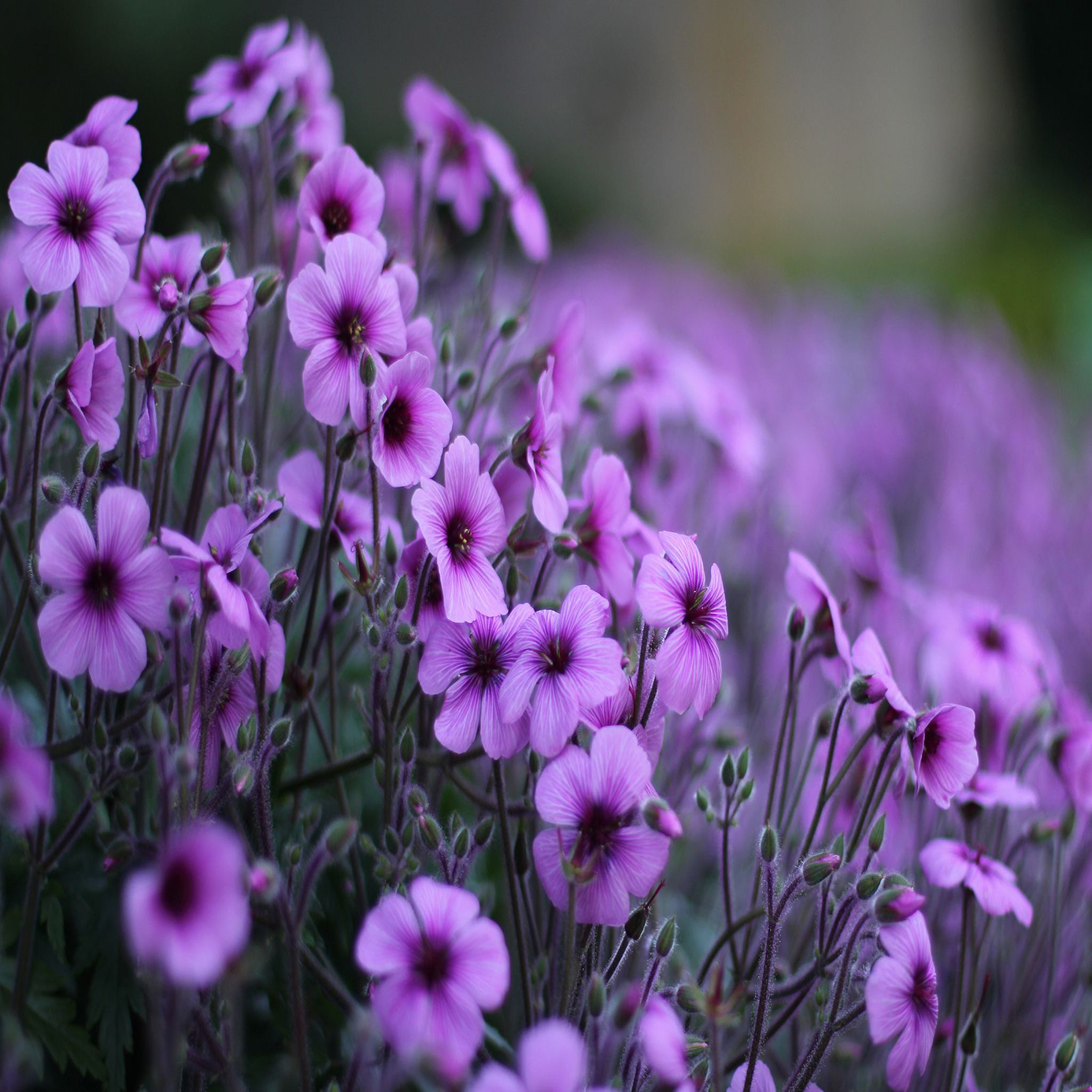
Violet Viola odorata Absolute Oil
Common name: VIOLET Latin name: Viola odorata L. Family: Violaceae Other names: Engl.: sweet violet, blue violet, English violet, garden violet, purple violet, sweet-scented violet, violet. Deu.: Mنrzveilchen, Wohlriechendes Veilchen, Veilchen. Suom.: tuoksuorvokki. Sven.: doftviol, luktviol. Fran.: violette.
Commercial Pricing & Terms
Login required to view prices on the source catalog
Pricing in this export catalog is determined by order volume, destination port, and delivery terms (Incoterms: FOB / CIF). Zero prices are simulated or invented.
How to Procure This Product
You can procure this product directly from the producer or via Exportica-Managed Sourcing with agreed inspection and export coordination services.
Prepare requirements — previewRead about sourcingExporters Offering This Product
0Multiple independent exporters may offer this product specification with their own pricing and fulfillment terms.
No exporter listings are linked to this product in the current preview.
Product gallery (4)
Full description
Botanical Origin:
Common name: VIOLET
Latin name: Viola odorata L.
Family: Violaceae
Other names: Engl.: sweet violet, blue violet, English violet, garden violet, purple violet, sweet-scented violet, violet. Deu.: Mنrzveilchen, Wohlriechendes Veilchen, Veilchen. Suom.: tuoksuorvokki. Sven.: doftviol, luktviol. Fran.: violette.
Description:
Viola odorata is a small, creeping plant, with flagelliform runners; its leaves are roundish-cordate; sepals 5, ovate and obtuse; petals 5; spur very blunt. Its flowers are fragrant, deep-purple, often white, occasionally lilac, and borne on radical, furrowed, quadrangular peduncles. The bracts are inserted above the middle of the scape. Capsules turgid, hairy, bursting with elasticity, many-seeded, and 3-valved. Seeds turbinate and pale (L.—De Candolle).
Range & Habitat:
Violets are European perennials. They are now naturalized throughout North America, and can be found growing in most any soil or situation
Planting & Cultivation:
Violets are easily cultivated through root cuttings or seeds. With over 900 species, plant identification to the exact is an expertise in itself. However all have practically the same medicinal and edible herb values.
It is a tender plant, quite sensitive to cold, moisture, sun, and attacks by fungi and insects. In general, violets can be cultivated only in places sheltered from cold, as well as from exposure to the sun. For this reason plantings are usually located in olive groves, where they find the necessary shade. The soil should be rich in nitrogen and should perhaps contain some sulfurous compounds also.
Propagation is effected by means of stolons selected from older plantings, either at the beginning or at the end of winter. The young plants are set out 25 cm. apart, in rows 1 m apart. Frequent irrigation is necessary. At the flowering stage the clumps have usually grown to a diameter of 25 to 35 cm.
Harvesting and Preparing for the Market:
A planting requires four years to get into full production. The flowers are collected twice a week, in the early morning after the dew has evaporated, or in the late afternoon. In 10 hr one girl can pick from 3 to 4 kg. of flowers without peduncles, 1 kg containing about 4000 flowers. One hectare bears approximately 140000 tufts, and when in full production yields about 800 kg. of flowers per season. The flowering season starts in early December, but the flowers gathered in December and January go to the florist trade and it is only toward the end of the season, in February and March, that some of the flower material can be diverted to the extraction plants in Grasse.
Nowadays production of concretes and absolutes of violet flowers has declined almost to the vanishing point. Larger quantities of the leaves are still processed for the preparation of the concrete and absolute.
Yield:
About 1000 to 1100 kg of violet leaves are required to yield 1 kg of concrete.
In general the yield of concrete ranges from 0.055 to 0.13%, the average being 0.09 to 0.12%
Concrete of violet leaves contains from 4 to 12 % of volatile oil which can be isolated by steam distillation.
Method of Extraction:
By Solvent Extraction
The perfume contained in the leaves of the violet plant is entirely different from that present in the flowers. Formerly it was isolated by submitting the leaves to maceration with hot fat at 60 ºC to 80 ºC, but today extraction is accomplished with solvents (absolute ethyl alcohol) for preparation of concretes and absolutes.
Notes:
- Eugenol is found in traces in violet leaf oil, but the flower oil contains about 20% of eugenol.
- The “Violet leaf aldehyde” is the most important constituent of the oil, possessing a powerful odor typical of violet leaves. Violet leaf oil contains 10 times more than the flower oil.
- The so called “Violet leaf alcohol” occurs in violet leaf oil and violet flower oil in about the same proportions
Full Technical & Export Specifications
Technical specifications and packaging parameters recorded in the discovered product record.
| Specification / Parameter | Specification Value (From Source Record) |
|---|---|
| Oil Purity | 100% Natural & Pure without any chemical, flavor, food additive or carrier. |
| Ship from | Egypt |
| Country of Origin | Egypt |
| Cultivation Type | Organic, Conventional |
| Oil Bulk Packaging | 1 Kg Aluminum Bottle, 5 Kg Aluminum Bottle |
| HS Code | 33019090 |
| CAS Number | 8024-08-6 |
| Oil Documentation Available | Allergen Free Certificate, Bovine Spongiform Encephalophathy (BSE) Certificate, Certificate of Analysis (COA), GMO Certificate, GRAS Status Statement, Halal Certificate, Herbal Origin Statement, KOSHER Certificate, Manufacturing Flow Chart, Material Safety Data Sheet (MSDS), Organic Certificate, Pesticide Residual Certificate, Researches & Studies, Technical Data Sheet (TDS), WADA Prohibited list Statement |
| Weight | N/A |
| Dimensions | N/A |
Two Ways to Source from Egypt
Direct Exporter Trading
Connect directly with Egyptian producers, negotiate terms, and coordinate your own shipping logistics.
Exportica-Managed Sourcing
Work with Exportica to coordinate company verification, shipment sampling, export documentation assistance, and logistics support.